Join us
شارك معنا


List of Abbreviations Abbreviation / Term Definition Ŷ Estimated value of the dependent variable in the time trend equation X Time variable (2013 = 1 … 2022 = 10) a, b Intercept and slope of the linear trend equation…
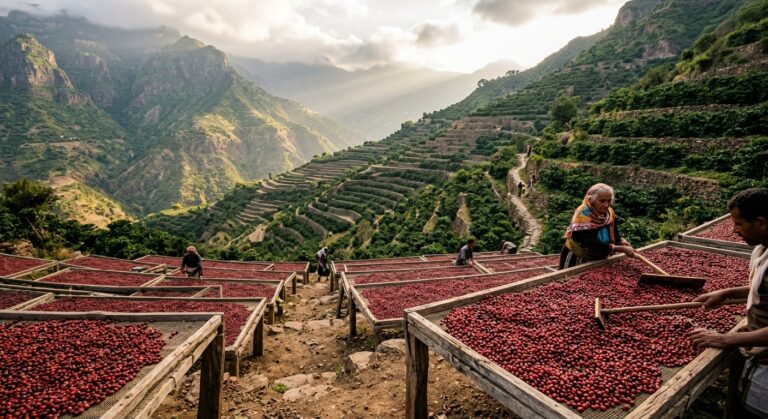
Executive Summary This study presents a comprehensive and structural analysis of the Yemeni coffee value chain for the year 2026, aiming to develop a practical roadmap to maximize the historical and economic value added to the crop. Although Yemeni coffee…
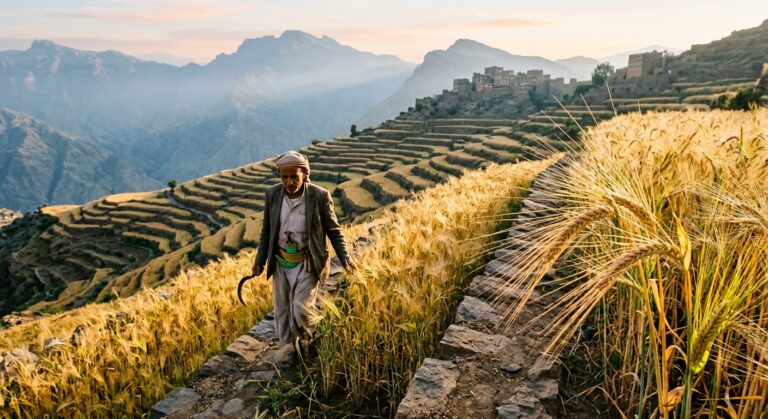
Executive Summary This study aims to dissect the value chain of the barley crop (Hordeum vulgare L.) in the Republic of Yemen for the year 2026. Barley is considered one of the most strategic crops linked to rural food security…
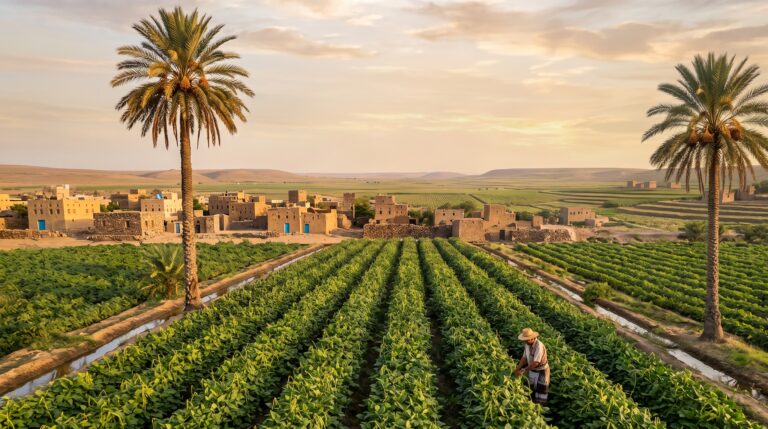
Executive Summary This report provides a comprehensive and in-depth analysis of the cowpea value chain (locally known as “Dajr”) in Yemen, highlighting its current status, structural challenges, and latent investment opportunities. Official statistics from 2021 indicate that Yemen’s cowpea production…
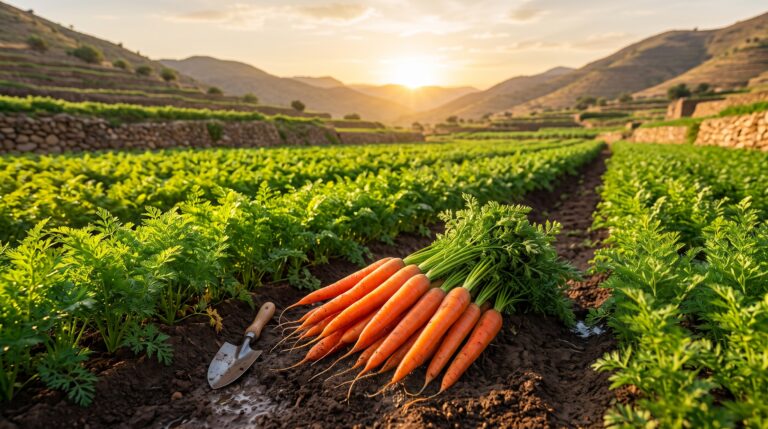
Executive Summary This article presents a comprehensive evaluative and descriptive analysis of the carrot (Daucus carota) value chain in the Republic of Yemen. It aims to diagnose the current situation, identify structural gaps, and design a package of strategic interventions…
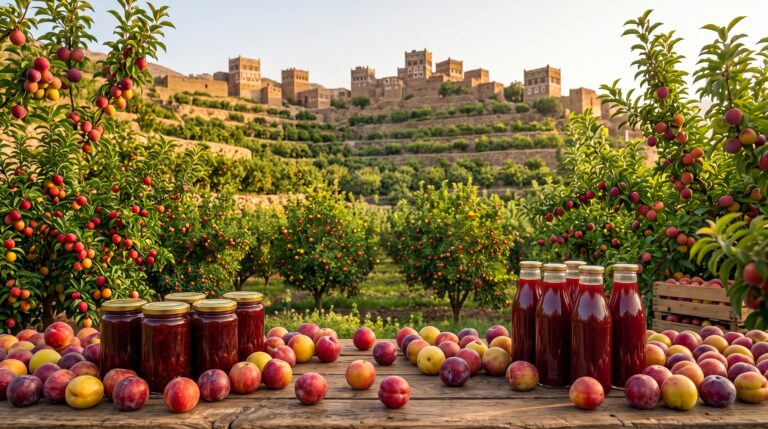
Introduction The plum (Prunus spp.) belongs to the Rosaceae family and the stone fruits genus. Geographically and evolutionarily, it is divided into two main branches: the European plum (Prunus domestica), which originated in the Caspian Sea basin, the Caucasus, and…
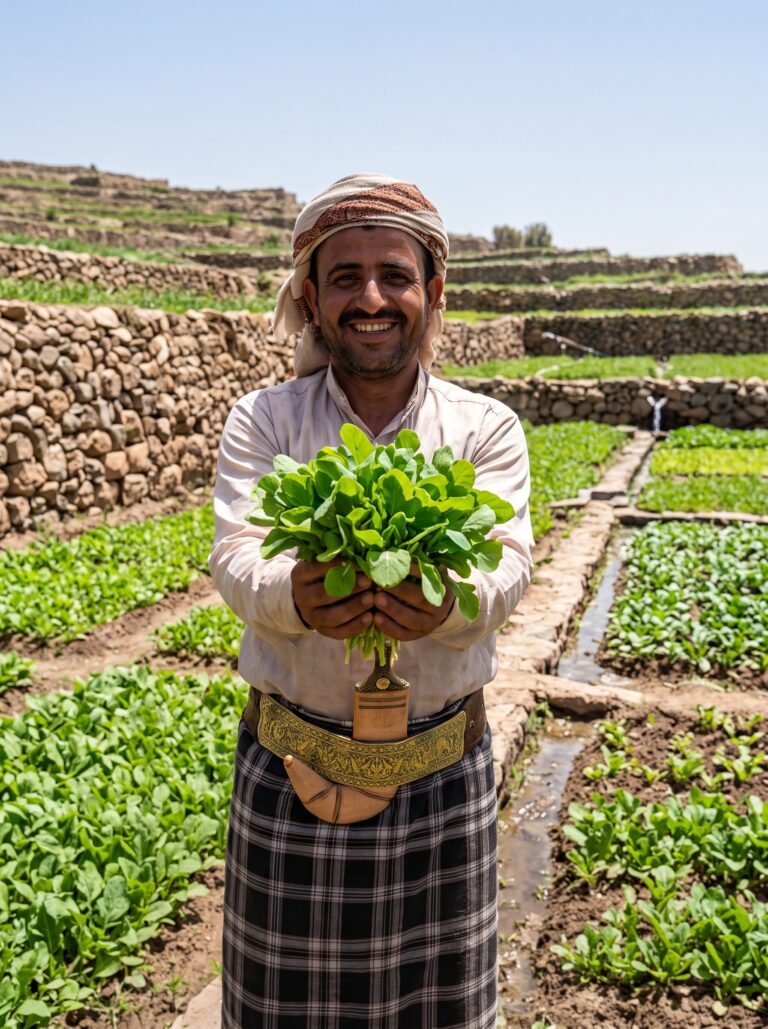
Introduction Arugula (Eruca sativa / Eruca vesicaria) belongs to the cruciferous family (Brassicaceae) and traces its historical origins to the Mediterranean basin, the Arabian Peninsula, and North Africa. Ancient Romans and Greeks utilized it as a fresh leafy vegetable, for…
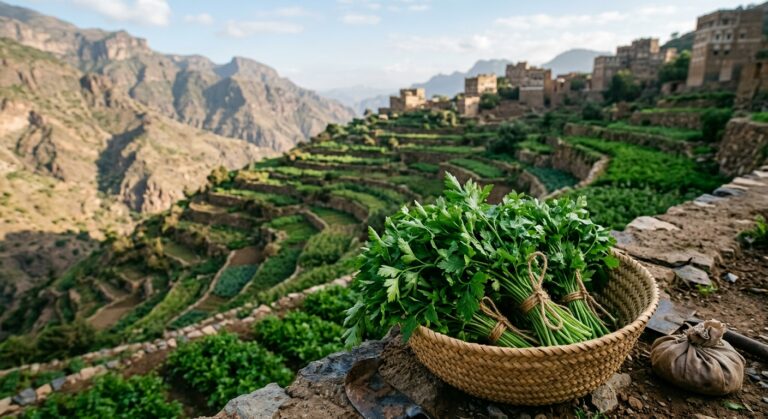
Introduction The parsley crop (Petroselinum crispum) belongs to the Apiaceae family, with its wild origins traced back to the Mediterranean basin and Southern Europe. Historically, it was used for medicinal and culinary purposes before evolving into one of the most…
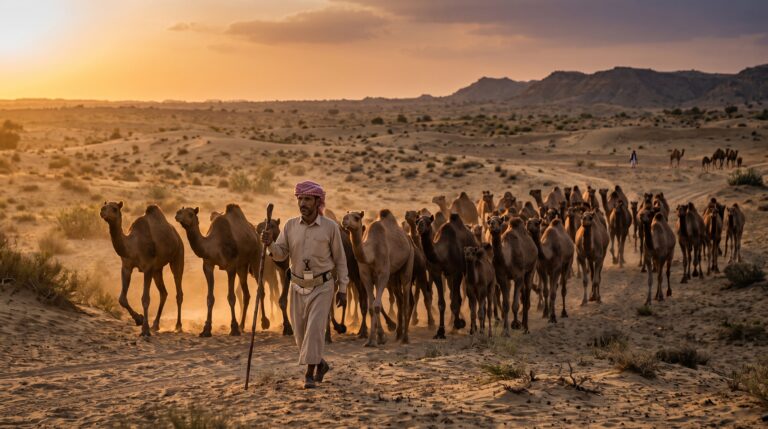
Introduction Camels (Camelus dromedarius) possess a history deeply rooted in human civilization since their domestication in the Arabian Peninsula over 3,000 to 4,000 years ago, serving as a cornerstone of the ecological and productive systems in arid and semi-arid regions…
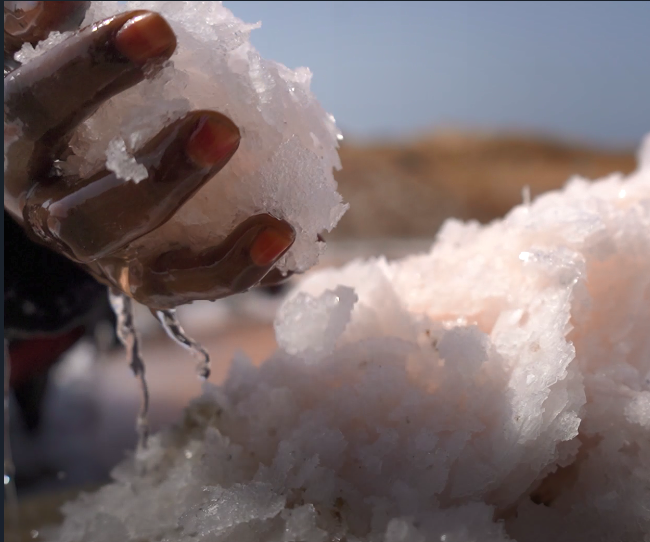
Introduction Sodium chloride (NaCl), in its various geological forms such as rock salt (halite) or solar sea salt, is one of the oldest exploited mineral resources in human history and the most strategic non-metallic raw material for modern manufacturing. Annual…