Join us
شارك معنا
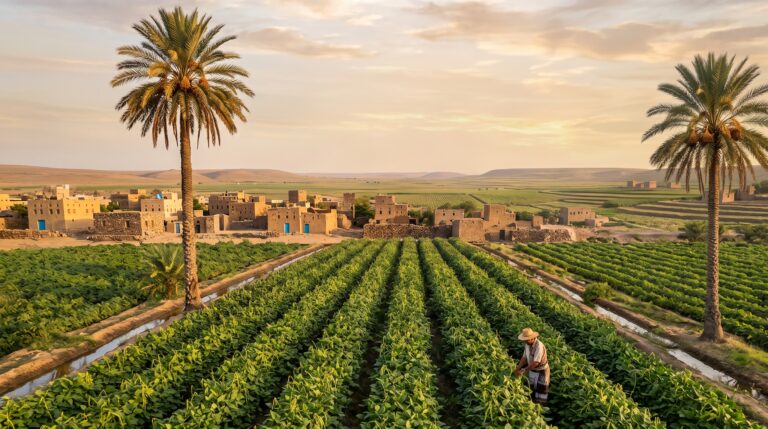
Executive Summary This report provides a comprehensive and in-depth analysis of the cowpea value chain (locally known as “Dajr”) in Yemen, highlighting its current status, structural challenges, and latent investment opportunities. Official statistics from 2021 indicate that Yemen’s cowpea production reached 80,078 tons, with the vast majority (78.2%) concentrated in…
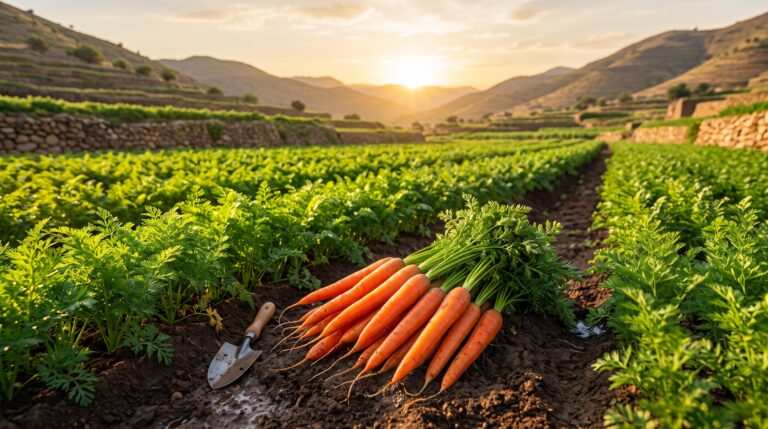
Executive Summary This article presents a comprehensive evaluative and descriptive analysis of the carrot (Daucus carota) value chain in the Republic of Yemen. It aims to diagnose the current situation, identify structural gaps, and design a package of strategic interventions and investment opportunities capable of transforming the sector from a…
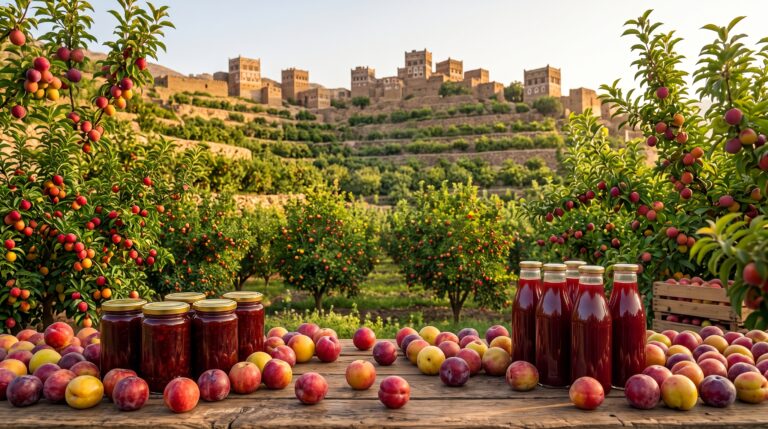
Introduction The plum (Prunus spp.) belongs to the Rosaceae family and the stone fruits genus. Geographically and evolutionarily, it is divided into two main branches: the European plum (Prunus domestica), which originated in the Caspian Sea basin, the Caucasus, and Asia Minor; and the Chinese or Japanese plum (Prunus salicina),…
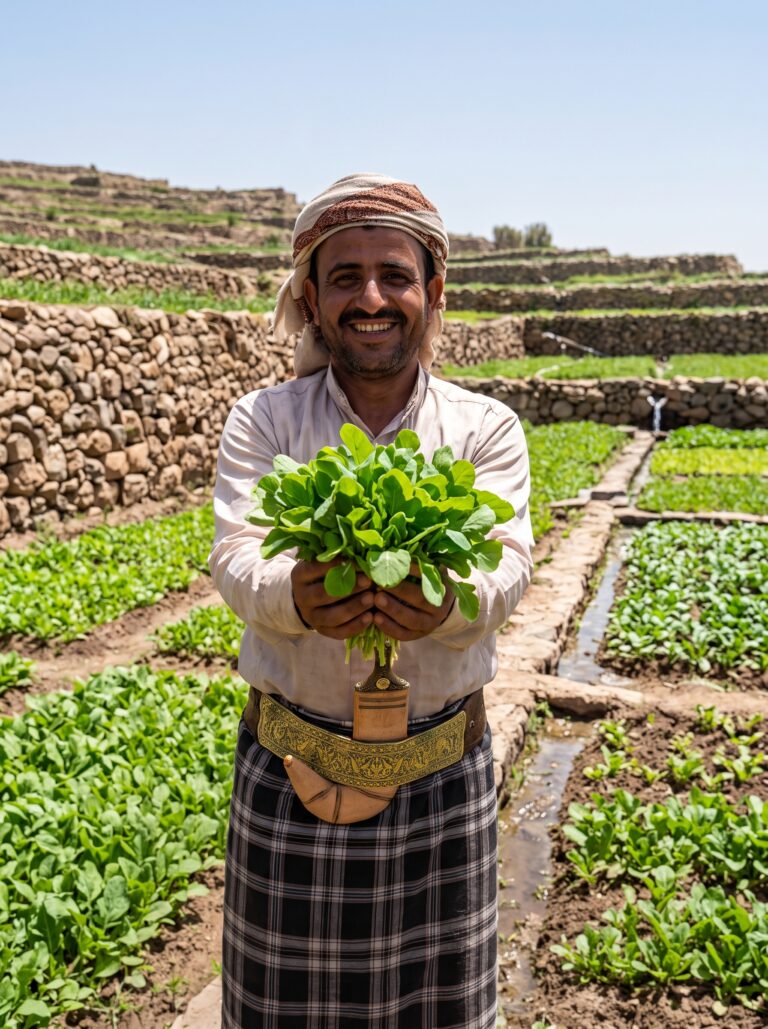
Introduction Arugula (Eruca sativa / Eruca vesicaria) belongs to the cruciferous family (Brassicaceae) and traces its historical origins to the Mediterranean basin, the Arabian Peninsula, and North Africa. Ancient Romans and Greeks utilized it as a fresh leafy vegetable, for medicinal purposes, and to extract oil from its seeds. Arugula…
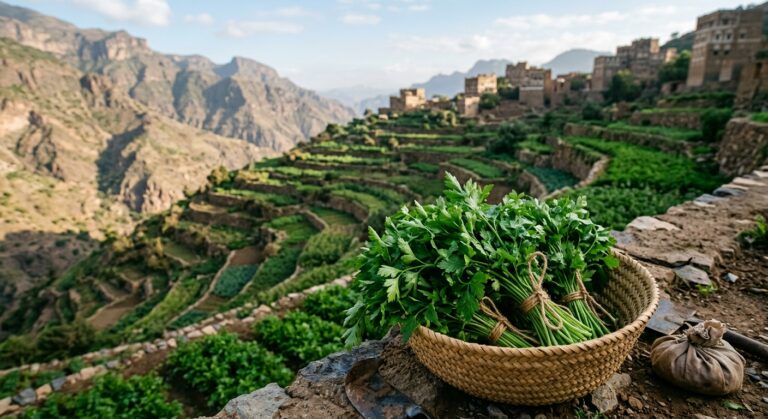
Introduction The parsley crop (Petroselinum crispum) belongs to the Apiaceae family, with its wild origins traced back to the Mediterranean basin and Southern Europe. Historically, it was used for medicinal and culinary purposes before evolving into one of the most globally significant aromatic herbs and spices, both fresh and dried.…
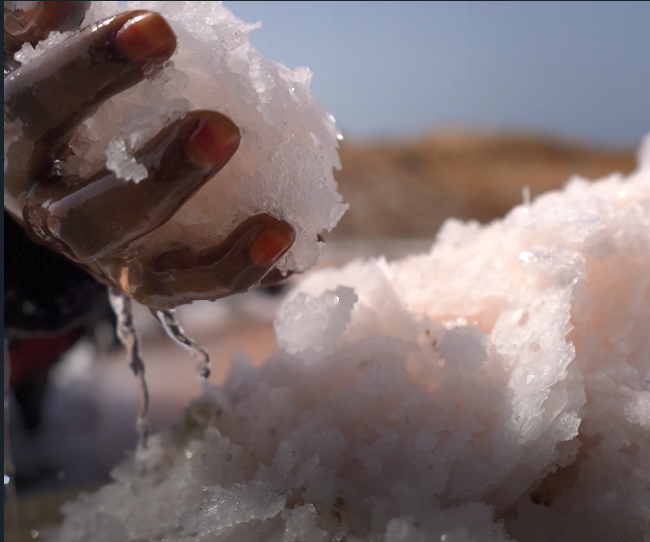
Introduction Sodium chloride (NaCl), in its various geological forms such as rock salt (halite) or solar sea salt, is one of the oldest exploited mineral resources in human history and the most strategic non-metallic raw material for modern manufacturing. Annual global production exceeds the 290 to 310 million metric ton…
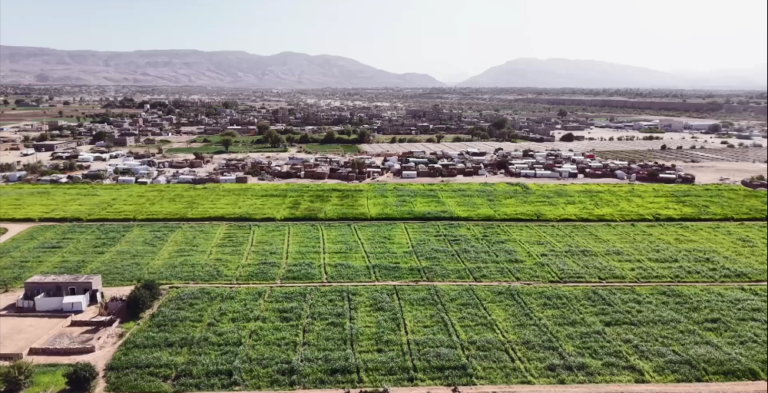
Introduction Forage crops and grasses belonging to the Poaceae (grasses) and Fabaceae (legumes) families constitute the fundamental pillar of global food security and animal production systems. Following a historical trajectory where the domestication and evolution of ruminants were linked to grazing in natural plains and meadows, the scientific leap of…
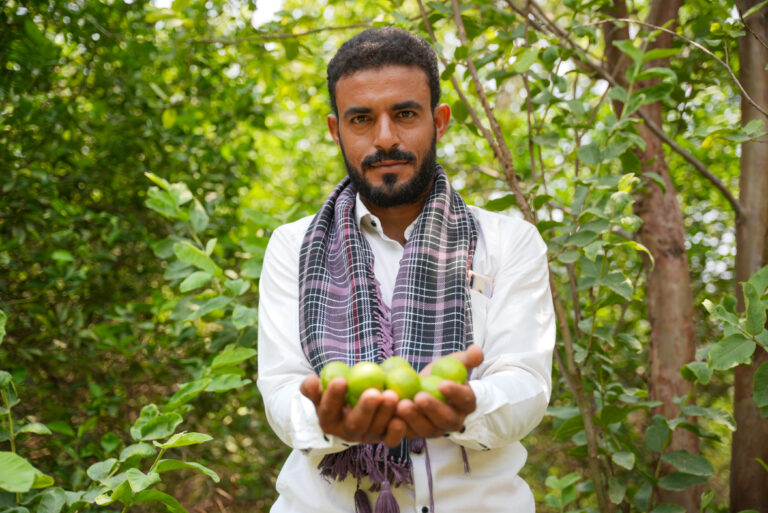
Introduction The variety known locally as “Baladi Lime” (globally recognized as the Key Lime or Citrus aurantiifolia) dominates domestic production. It outperforms imported varieties thanks to its small size, thin rind, exceptionally high acidity, and pungent aromatic flavor. Despite these competitive advantages and significant agricultural importance—where citrus cultivation accounts for…
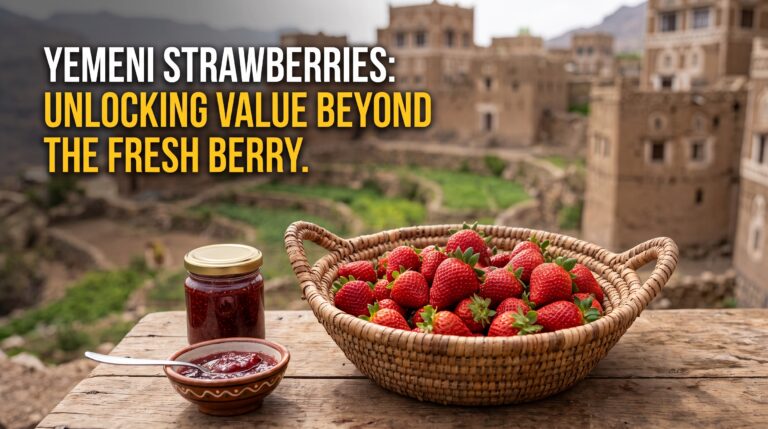
Executive Summary Strawberry cultivation in the Yemeni highlands represents one of the most successful narratives of modern agricultural transformation post-2015. It serves as a highly profitable cash crop alternative to Qat cultivation and a primary driver for the employment of rural women and youth. The current national production for the…