Join us
شارك معنا
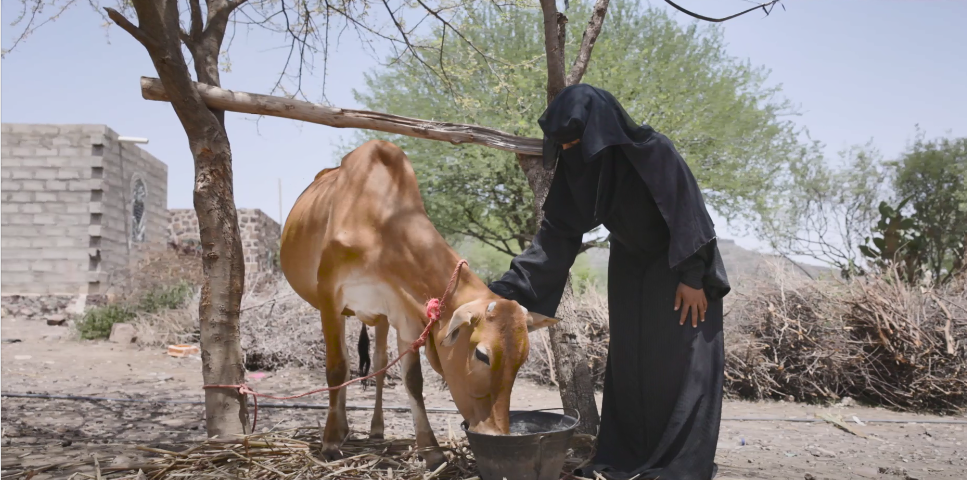
Cattle (Bos taurus and Bos indicus) are the primary pillar of global animal production; the total global herd exceeds 1.5 billion head, contributing to the production of approximately 70 million metric tons of red meat and over 540 million metric tons of milk annually. Furthermore, their value chains represent a major artery for food security and economic growth, accounting for more than 40% of the total global agricultural gross domestic product (GDP).
Locally, the history of cattle rearing in Yemen spans thousands of years, historically linked to both rain-fed and irrigated agricultural systems in the coastal plains (Tihama), valleys, and mountainous highlands. Historically, they were utilized as agricultural draft power and a pillar of household food security. From a socio-economic perspective, cattle contribute between 18% and 22% of Yemen’s total agricultural GDP. They constitute the primary source of cash income—daily or weekly—for over 350,000 rural households through the marketing of milk and its derivatives (such as Taizi cheese and sour milk) and the sale of live animals. Additionally, they serve as a liquid asset relied upon by smallholder breeders to absorb economic shocks.
According to official statistical data issued by the Ministry of Agriculture and Irrigation, cattle populations and production volumes in the Republic of Yemen witnessed notable development between 2017 and 2021, as illustrated in the following table:
| Indicator / Year | 2017 | 2018 | 2019 | 2020 | 2021 | Growth Rate (2017-2021) |
| Total Cattle Population (Head) | 1,671,954 | 1,503,453 | 1,818,052 | 1,835,801 | 1,872,516 | +11.99% |
| Red Meat Production (Metric Tons) | 63,666 | 62,393 | 75,602 | 79,382 | 83,352 | +30.92% |
| Raw Milk Production (Metric Tons) | 203,507 | 204,016 | 234,505 | 246,230 | 258,541 | +27.04% |
From the preceding table, it is evident that 2018 witnessed a temporary decline in herd size by -10.08% due to economic conditions and fluctuating rainy seasons, before resuming an upward growth trajectory starting in 2019 to reach a total herd of 1,872,516 head in 2021. This was accompanied by steady growth in meat production (+30.92%) and dairy production (+27.04%). The following table illustrates the geographical and productive concentration by governorate.
| Governorate | 2017 | 2018 | 2019 | 2020 | 2021 | Relative Share 2021 (%) |
| Al Hudaydah | 325,178 | 276,401 | 366,544 | 373,875 | 381,352 | 20.37% |
| Ibb | 226,915 | 181,532 | 258,880 | 261,469 | 266,698 | 14.24% |
| Taiz | 184,560 | 147,648 | 216,779 | 212,443 | 216,692 | 11.57% |
| Dhamar | 180,979 | 162,881 | 197,968 | 203,907 | 207,985 | 11.11% |
| Hajjah | 167,200 | 158,840 | 172,997 | 174,727 | 178,222 | 9.52% |
| Sa’dah | 88,703 | 88,526 | 92,478 | 93,403 | 95,271 | 5.09% |
| Sana’a | 81,320 | 80,507 | 85,215 | 86,067 | 87,788 | 4.69% |
| Amran | 65,285 | 55,492 | 70,107 | 70,808 | 72,224 | 3.86% |
| Raymah | 63,533 | 63,530 | 63,704 | 64,978 | 66,278 | 3.54% |
| Al Mahwit | 64,225 | 64,867 | 63,814 | 63,814 | 65,090 | 3.48% |
| Al Dhale’e | 49,795 | 49,309 | 50,319 | 50,319 | 51,325 | 2.74% |
| Al Jawf | 40,716 | 39,902 | 42,937 | 43,366 | 44,234 | 2.36% |
| Lahj | 28,944 | 28,900 | 29,761 | 29,761 | 30,356 | 1.62% |
| Abyan | 27,268 | 27,300 | 27,615 | 27,615 | 28,167 | 1.50% |
| Al Bayda | 26,410 | 26,674 | 26,953 | 27,223 | 27,767 | 1.48% |
| Hadhramaut | 19,677 | 19,874 | 20,082 | 20,082 | 20,484 | 1.09% |
| Al Mahrah | 13,275 | 13,262 | 13,462 | 13,462 | 13,731 | 0.73% |
| Marib | 8,429 | 8,513 | 8,602 | 8,602 | 8,774 | 0.47% |
| Amanat Al Asimah | 4,558 | 4,512 | 4,713 | 4,760 | 4,855 | 0.26% |
| Shabwah | 4,268 | 4,263 | 4,387 | 4,387 | 4,475 | 0.24% |
| Aden | 716 | 720 | 733 | 733 | 748 | 0.04% |
| Overall Total | 1,671,954 | 1,503,453 | 1,818,052 | 1,835,801 | 1,872,516 | 100.00% |
Yemen’s cattle wealth is characterized by acute spatial concentration; just five governorates—Al Hudaydah, Ibb, Taiz, Dhamar, and Hajjah—host over two-thirds of the national herd, accounting for 66.81% (1,250,949 out of 1,872,516 head in 2021). This concentration is attributed to environmental suitability, the availability of irrigated and rain-fed agricultural lands, and the abundance of crop residues (such as sorghum and stalks) in the coastal plains and mountainous terraces. Conversely, productive marginality is evident in the eastern and desert strip governorates (Marib, Shabwah, Hadhramaut, Al Mahrah, and Al Jawf), which collectively account for less than 5% of the total herd. The prevailing production systems in these regions are limited to open grazing of sheep, goats, and camels, which are better adapted to scarce pastoral resources.
Regarding structural dynamics during the 2017–2021 period, the sector faced a severe contractionary shock in 2018, causing livestock numbers to decline by -10.08%. The drop was concentrated in Ibb (-20.00%), Taiz (-20.00%), and Al Hudaydah (-15.00%) under the weight of severe drought, rising feed costs, and logistical transport barriers. Nevertheless, the herd recorded a rapid recovery and growth of +24.55% between 2018 and 2021. This demonstrates the high resilience of smallholder breeders and their reliance on cattle rearing as a social safety net and a liquid financial reserve to counter inflation and living pressures.
The genetic resources of Yemen’s cattle wealth are characterized by environmental diversity and differentiation. Indigenous local breeds constitute over 88% of the total national herd, while the remainder is distributed between improved local breeds and exotic crossbreeds (Holstein/Friesian). The following table outlines the predominant cattle breeds in Yemen, their production shares, advantages, and disadvantages.
| Breed / Category | Main Distribution Areas | Estimated Share of Local Production (%) | Technical Features and Advantages | Operational Flaws and Disadvantages |
| Tihami Breed (Bos indicus) | Tihama plains (Al Hudaydah, Hajjah, and the western coastal strip). | 30% – 35% | * Exceptional tolerance to high temperatures (>42°C) and humidity. * High resistance to cattle ticks and blood parasites. * Excellent efficiency in utilizing poor dry and roughage feeds (sorghum stalks). | * Low milk yield (2 – 4 liters/day). * Slow daily growth rate compared to crossbreeds. * Delayed age at first mating and sexual maturity. |
| Sharabi / Taizi Breed | Taiz, Ibb, and adjacent elevated plains. | 22% – 26% | * Highest yielding local breed for milk (4 – 6 liters/day with improved nutrition). * High response to concentrated feed and improved management. * Medium size and proportionate body suitable for semi-mountainous areas. | * Higher nutritional and concentrated feed requirements compared to coastal breeds. * Moderate sensitivity to severe heat stress. * Decline in genetic purity due to random crossbreeding. |
| Dhamari / Highland Breed | Mountainous highlands (Dhamar, Sana’a, Amran, Sa’dah, Al Mahwit, Raymah). | 28% – 32% | * Excellent adaptation to cold climates and severe ruggedness. * Very strong hooves and efficient grazing on terraces. * High tolerance to water and feed scarcity during droughts. | * Small body size, low carcass weight, and low dressing percentage. * Low milk yield (2 – 3.5 liters/day). * Slow weight gain during fattening cycles. |
| Improved Tihami (Surdud) & Exotic Crossbreeds | Irrigated valleys, semi-intensive farms, and major city suburbs (Sana’a, Al Hudaydah, Dhamar). | 10% – 15% | * High milk yield (10 – 16 liters/day). * Excellent daily growth rate (700 – 900 grams/day). * Early sexual maturity and a shorter production cycle. | * High sensitivity to tropical diseases and endemic epidemics (FMD, LSD). * High cost of feed rations and reliance on imported concentrates. * Low tolerance to heat stress without cooling systems. |
In terms of the red meat balance, local livestock covers approximately 79.38% of the direct market demand for fresh meat. Local production rose to 83,352 metric tons in 2021 against an estimated total consumption of 105,000 metric tons, with frozen imports bridging the remaining gap. This reflects on the per capita consumption rate, with the average share of local beef standing at about 2.75 kg annually per capita (based on an estimated population of 30.3 million in 2021). This figure remains significantly lower compared to the Middle East and North Africa (MENA) average of 8.5 kg per capita annually.
Regarding the dairy balance, local raw milk production stands at 258,541 metric tons (equivalent to 258.5 million liters), achieving a self-sufficiency rate of only 30% to 35% for fresh milk and its traditional derivatives. Consequently, the country relies heavily on importing powdered milk and processed derivatives, with an import bill exceeding $300 million annually.
Historically, Yemen has been a net importer of cattle. Cross-border movements involved importing live livestock from the Horn of Africa (Djibouti, Somalia, Ethiopia) via seaports (Al Mokha, Al Hudaydah, Aden), with annual imports ranging between 100,000 and 200,000 head. Recent years have seen regulatory restrictions and import bans on cattle aimed at protecting the local herd from epidemics, encouraging local fattening, and substituting imports.
Nutrition represents the largest burden among production inputs, accounting for 68% to 75% of the total operational costs for cattle rearing and fattening in Yemen. The average daily cost ranges between $2.10 and $2.70 per head (equivalent to $380 to $480 per head over a 180-day fattening cycle). Feed sources vary between local green fodder—such as Yemeni alfalfa “Qadhb” (Medicago sativa), prevalent in Ibb, Taiz, Dhamar, and Sana’a, whose bundle prices have risen to $1.20 – $1.80 due to competition from cash crops and groundwater depletion—and dry and roughage feeds like “Karb” (sorghum stalks) and cereal straw in Tihama and the highlands. The latter are characterized by low protein value (3% – 5%) and high indigestible fibers. Additionally, local breeders rely on mill and oil press by-products such as wheat bran, cottonseed cake, and sesame cake (“Al-Issar“). Conversely, manufactured concentrated feeds rely 60% to 65% on imported raw materials (such as yellow corn and soybean meal), making their prices highly sensitive to exchange rate fluctuations and inland transport costs.
Regarding healthcare and veterinary services, Yemen relies on imports for over 90% of drugs and vaccines from Indian, Jordanian, Chinese, and European sources. The market is monopolized by a limited number of importers in Sana’a and Aden and suffers from logistical challenges, including the proliferation of smuggled or counterfeit products and weak cold chains during field distribution. As a result, regular veterinary and extension service coverage has shrunk to less than 15% of all breeders.
In terms of genetic resources, the sector is experiencing a severe decline in artificial insemination (AI) services following the faltering and closure of main national stations (such as Al-Saeed in Al Hudaydah, Jahrana in Dhamar, and Al-Kod in Abyan) due to funding and energy crises. AI coverage is now restricted to less than 2% of the national herd. This absence has driven over 98% of breeders toward random natural mating using local bulls of undetermined genetic merit within villages and smallholdings. This has exacerbated inbreeding depression and breed degradation, leading to lower birth weights, poor feed conversion efficiency, and delayed sexual maturity (reaching 28 – 32 months).
Cattle rearing and production in Yemen are distributed across three main systems. The Extensive Pastoral System leads, accounting for 55% of the predominant pattern in Tihama (Al Hudaydah and Hajjah) and the southern coastal plains (Lahj and Abyan). Here, breeders rely on grazing Tihami cattle in desert shrubs, valleys, and crop residues (like sorghum and sesame harvests) with sparse supplementary feeding. This makes it low-cost but associated with low milk yield and slow growth rates. This is followed by the Semi-Intensive Highland System (38%), concentrated in Ibb, Taiz, Dhamar, Sana’a, and Al Mahwit. Local cattle (such as Sharabi and Dhamari) are kept in pens attached to houses (“Sufl” or “Diwan“) and partially grazed on terraces and field edges, supplemented by hand-fed Qadhb, Karb, and bran. Finally, the Intensive Commercial System is limited to only about 7% of the total herd, centered in the suburbs of major cities (Sana’a, Al Hudaydah, Dhamar, Taiz) through specialized fattening and dairy farms relying on crossbreeds (Friesian/Holstein × Local), concentrated feeds, and basic mechanical milking parlors.
The sector faces critical productive and health constraints. Foremost among these are tick-borne diseases like Babesiosis, Theileriosis, and Anaplasmosis, which pose the deadliest threat to Yemeni cattle, causing high mortality rates and severe milk production losses due to the lack of regular dipping and disinfection. Furthermore, there are outbreaks of sovereign viral and bacterial epidemic diseases, such as Foot-and-Mouth Disease (FMD) with its various strains (O, A, SAT-2), Lumpy Skin Disease (LSD)—which has caused widespread calf mortality and hide disfigurement—as well as Contagious Bovine Pleuropneumonia (CBPP) and Anthrax. These burdens are compounded by severe water stress and scarcity in the highlands and eastern plateaus, forcing breeders to purchase water via tanker trucks at exorbitant costs that exhaust their operational capacity.
These conditions clearly reflect on quantitative field production indicators. The Feed Conversion Ratio (FCR) for local breeds (Tihami and Dhamari) ranges between 11:1 and 14:1 (consuming 11 to 14 kg of dry matter to gain one kilogram of live weight), with a daily weight gain ranging between 250 and 450 grams, and a daily milk yield of 2.5 to 4.0 liters (totaling 300 – 600 liters over a 120 – 150 day lactation season). In contrast, the Sharabi breed achieves higher productivity, reaching 4.5 – 7.0 liters daily (800 – 1,400 liters/season) when Qadhb and concentrates are available. Exotic and crossbred cattle record a better FCR ranging between 6:1 and 7.5:1, a daily weight gain of 700 – 900 grams, and daily milk production between 10 and 16 liters (2,500 – 3,500 liters/season).
Moreover, the mortality rate among suckling calves (0 – 3 months) is high, reaching 14% – 20% due to enteritis, poor care, and colostrum deprivation. The annual mortality rate for adult cattle ranges between 3% and 5.5% due to epidemics and blood parasites. These rates coincide with a notably low adoption of modern technologies; the use of mechanical milking parlors does not exceed 2%, artificial insemination 2.5%, silage feeding 3%, and modern, climate-controlled housing 1%.
Post-production handling in Yemen’s cattle sector faces severe logistical and technical challenges that negatively impact product quality and safety. Live animals are transported from major breeding areas (e.g., Bayt al-Faqih, Bajil, Shafar, Rada’a) to consumption markets in major cities (Sana’a, Aden, Taiz) using open-bed trucks (Dinas and pickups) packed with animals. Transport journeys take between 8 and 18 hours across rugged mountain roads under high temperatures without providing water or shade. This exposes cattle to heat stress and physical bruising, causing a shrinkage in live weight ranging between 5% and 9%.
The crisis worsens during slaughter. Over 75% of livestock are slaughtered haphazardly outside official abattoirs in butcher shops and city streets, amid a lack of rigorous antemortem and postmortem veterinary inspection, and an absence of initial chilling chains necessary for carcass preparation and meat aging.
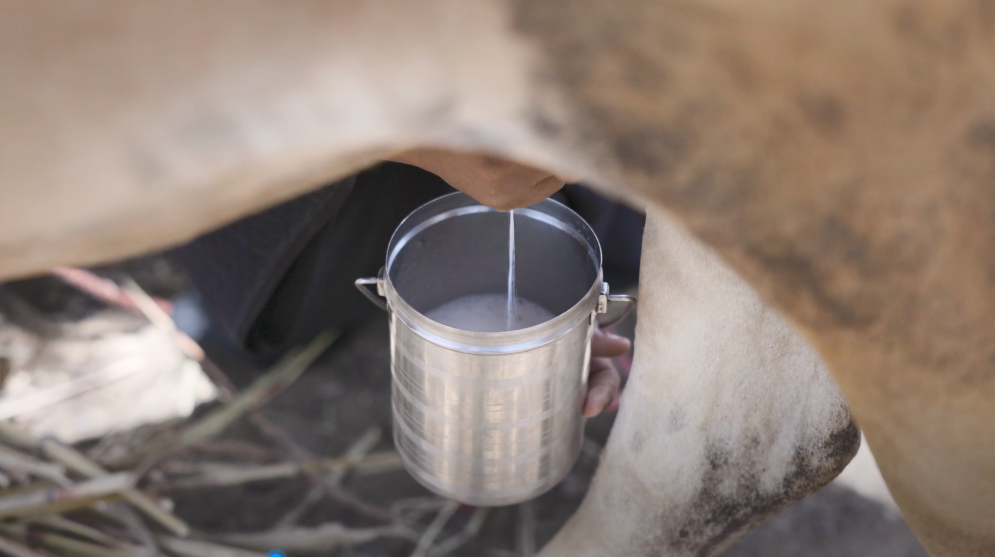
Regarding dairy supply chains, raw milk is collected from villages and rural areas in damaged, non-food-grade, unsterilized plastic containers (such as used oil jerrycans). The lack of field collection and cooling networks in Tihama, Ibb, and Taiz leads to rapid bacterial contamination, high acidity, and milk coagulation within two to three hours of milking due to high ambient temperatures (exceeding 38°C), recording a quantitative loss and spoilage rate of 12% to 18%. Faced with this reality, breeders resort to traditional processing methods to avoid total loss, such as rapidly converting milk into “Haqin” or sour milk, extracting “Baladi Ghee”, or smoking Taizi cheese (“Sweet/Smoked Cheese”) using local shrubs like Dhurum, Dhufr, and Khabath.
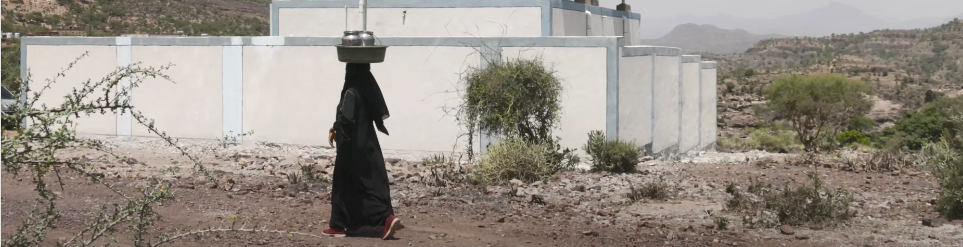
The leather sector suffers a similar deterioration due to harsh manual flaying using sharp, unspecialized knives. This causes puncture and cut wounds that damage and downgrade 40% to 50% of raw hides. Furthermore, the lack of immediate salting leads to the spread of bacterial putrefaction, depriving national tanneries of standard, exportable, and processable raw materials. All these dysfunctions translate into financial losses borne by the producer and breeder, as price discount deductions range between 25% and 40% due to milk acidity or anatomical hide defects.
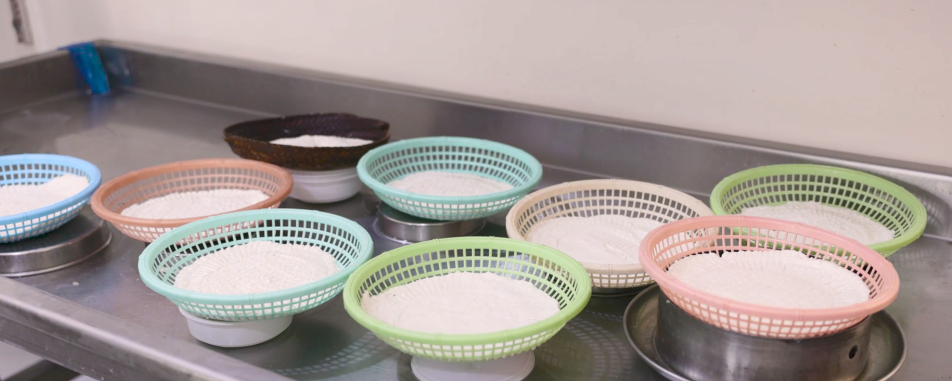
The proportion of milk directed toward modern processing is limited to merely 8% to 10% of the total national production of 258,541 metric tons, processed in small plants and semi-modern farms. Traditional processing and direct consumption account for the vast majority (90%) through household conversion into Baladi ghee, Haqin, and smoked Taizi cheese—products that enjoy wide popular demand and rewarding returns. The high economic viability of local processing is highlighted by an additional profit margin ranging between 45% and 65%. The return on a liter of raw milk sold at $0.60 rises to an equivalent of $1.10 – $1.35 when converted into cheese or ghee. In contrast, major factories (such as the National Dairy Company and Hayel Saeed Group factories) rely 85% to 90% on imported milk powder and vegetable oils for recombined dairy and yogurt products, excluding local raw milk intake due to the absence of reliable field collection and cooling networks.
As for supporting industries and by-products, national feed mills and tanneries in Sana’a, Aden, and Al Hudaydah operate at low capacities ranging between 20% and 35%. This is due to frequent power outages, sharp increases in fuel costs (diesel and mazut) for generators, liquidity shortages to open letters of credit for raw material imports (like soybeans and yellow corn), as well as declining supplies of sound raw hides and the halting of automated processing lines. This coincides with a massive waste of by-products. Official abattoirs and unregulated slaughterhouses dispose of blood, offal, and bones by dumping them in landfills and the surrounding environment, wasting opportunities to manufacture valuable protein feeds like Meat and Bone Meal (MBM). Meanwhile, the utilization of livestock manure is limited to raw organic fertilization for agriculture, and biogas and biomass production projects remain confined to very limited individual experiments not exceeding 0.5%.
Central livestock markets dominate the marketing scene in Yemen—such as Al-Rahaba market in Sana’a, Bayt al-Faqih in Al Hudaydah, Rada’a in Al Bayda, Shafar in Hajjah, and Bajil. Trading activities are highly dominated by middlemen (“Dallalin“) and butchers. The Dallal exerts influence as a monopolist of price information, charging double commissions from both the breeder and the buyer ranging between 5% and 9% of the single transaction value. The vulnerability of smallholder breeders is deepened by the total absence of live weight scales and a complete reliance on bulk selling (“Jizaf“) and visual estimation of the animal’s appearance and size. This weakens the breeder’s negotiating position against the specialized expertise of butchers and middlemen, reducing their retained share to merely 48% to 55% of the final consumer price.
Moreover, price movements are characterized by sharp seasonality and wide price disparities. Meat livestock prices surge by 40% to 80% during peak seasons (such as Eid al-Adha, Ramadan, and wedding seasons), with prices for premium fattened bulls reaching between $900 and $1,400 per head. Conversely, prices plummet by -35% to -50% during drought periods, delayed rains, and winter, as smallholder breeders resort to distress selling to avoid feed shortages and rising fodder (“Qadhb“) costs. This creates a price gap between drought and peak seasons reaching 50% – 85%.
Fresh dairy supply chains remain confined to direct, short marketing channels relying on rapid transport and handling in plastic containers from the breeder to the local consumer or sour milk vendors in neighborhood grocery stores.
| Key Actor | Operational Role in the Chain | Field Shortcomings and Weaknesses | Development and Enhancement Proposals |
| Input & Veterinary/Feed Service Suppliers | * Provide concentrated feeds, yellow corn, soybean meal, drugs, vaccines, and equipment. * Serve as the lifeline for semi-intensive and intensive farms. | * Monopoly of import channels by major traders. * Promotion of counterfeit or smuggled veterinary drugs and vaccines. * Deterioration of vaccine cold chains during inland transport. * Sharp price hikes due to exchange rate fluctuations. | * Regulate and license input importers and enforce quality control. * Substitute imported concentrates with local alternatives (cottonseed, sesame cake, and silage). * Support solar-powered cold chains for drug distributors. |
| Smallholder Breeders & Rural Households (Primary Producers) | * Own over 88% of the total national herd. * Supply milk and meat to local markets and generate basic income for over 350,000 households. | * Low knowledge of modern feeding and calf-rearing methods. * Practice of random inbreeding and genetic degradation. * Weak negotiating power against middlemen. * Deprivation of colostrum and low milk safety standards. | * Group breeders into specialized producer associations. * Train them on urea treatment of roughages and field silage preparation. * Implement extension campaigns on suckling calf care and health safety. |
| Semi-Intensive Commercial Farms & Investors | * Produce commercial milk for cities and rapidly fatten bulls. * Introduce crossbreeds and improve production rates (10 – 16 liters/day). | * High operational costs and total reliance on imported concentrates. * Suffering from power outages and high fuel prices. * High sensitivity of crossbred herds to tropical diseases. | * Provide financing facilities to purchase solar energy systems. * Link major farms via supply contracts with local dairy factories. * Provide locally improved semen to reduce import costs. |
| Local Collectors & Middlemen (“Dallalin“) | * Provide logistical linkage between breeders in remote villages, central markets, and abattoirs. * Provide instant cash liquidity to breeders. | * Exploit breeders’ vulnerabilities and monopolize price information. * Impose double commissions on both parties (5% – 9%). * Collect milk in unhygienic plastic jerrycans, causing a percentage of the collection to spoil. | * Transform collectors into authorized agents for cooperative producer associations. * Mandate the use of refrigerated transport and aluminum/stainless steel containers. * Regulate the brokerage profession and fix commission rates. |
| Transport Truck Drivers & Wholesalers | * Transport live livestock from production governorates (Al Hudaydah, Hajjah, Rada’a) to consumption centers (Sana’a, Aden, Taiz). | * Ship livestock in open, overcrowded trucks without water or shade. * Travel long distances leading to animal stress and a 5% – 9% weight loss. * Livestock mortality or fractures during rugged mountainous transport. | * Establish standards and requirements for live livestock transport (roofs, water troughs, and maximum loads). * Create rest stops and water spraying points along major routes. * Introduce specialized, multi-tiered transport trucks. |
| Municipal Abattoirs & Butchers (Retailers) | * Provide fresh meat to final consumers and prepare carcasses. * Cut, debone meat, and market hides and offal. | * Spread of haphazard slaughtering outside abattoirs (over 75%). * Lack of antemortem and postmortem veterinary inspection and initial chilling. * Harsh manual flaying leading to the damage of 40% – 50% of raw hides. | * Equip abattoirs with mechanical suspension lines and cold chains (4°C). * Close unregulated slaughterhouses and activate veterinary oversight on butcher shops. * Train butchers on hydraulic flaying and immediate hide salting. |
| Processing Facilities & Factories (Dairy, Feed, Tanneries) | * Manufacture dairy products (yogurt, milk, cheese) and mechanically tan hides. * Manufacture concentrated feeds and create national value addition. | * Over 85% reliance on imported milk powder, ignoring local milk. * Operating at low capacity rates (20% – 35%) due to energy crises. * Spoilage and downgrading of hides supplied to national tanneries. | * Apply contract farming policies to purchase local raw milk. * Invest in abattoir waste rendering plants. * Provide tax and customs incentives for factories utilizing local inputs. |
| Authority / Institution | Key Role and Responsibility | Institutional Shortcomings and Gaps | Development and Institutional Activation Proposals |
| Ministry of Agriculture, Irrigation and Fisheries (Animal Production Sector) | * Draft national policies and strategies for livestock development. * Manage sovereign vaccination campaigns, veterinary quarantine, and extension supervision. | * Decline in operational budgets and lack of field operating expenses. * Shortage of qualified veterinary and extension staff and poor equipment. * Weak enforcement of legislative laws for livestock protection and oversight. | * Allocate a sustainable fund to finance seasonal veterinary campaigns. * Restructure and rehabilitate the veterinary extension staff and provide transport vehicles. * Update and activate veterinary medicine laws and abattoir/handling regulations. |
| Agricultural Research and Extension Authority (AREA) & Stations | * Conduct applied research for genetic improvement and cattle nutrition. * Manage research stations (Al-Saeed, Jahrana, Al-Kod) and AI centers. | * Near-total paralysis of applied programs due to halted funding. * Stoppage of liquid nitrogen units and spoilage of locally fertilized straws. * Disconnect between research outputs and field breeders. | * Rehabilitate and build the capacity of genetic improvement stations (Jahrana/Al-Saeed). * Partner with the private sector to fund applied feed research. * Activate Farmer Field Schools (FFS) to transfer research technology. |
| Yemen Standardization, Metrology and Quality Control Organization (YSMO) | * Establish standard specifications for meat, dairy, feeds, and veterinary drugs. * Inspect imported inputs and ensure food safety. | * Concentration of inspections at major ports with an absence of field oversight. * Lack of modern laboratory equipment to test for residues and mycotoxins. * Weak oversight of the local concentrated feed market. | * Equip specialized reference laboratories to test drugs, feeds, and dairy. * Adopt new standard specifications for local raw milk and traditional products. * Conduct joint inspection campaigns with the Ministry of Agriculture in sales markets. |
| Local Councils & Municipal Authorities (Market and Abattoir Management) | * Manage and regulate livestock markets, municipal abattoirs, and butcher licenses. * Collect fees and customs, and improve the urban environment of markets. | * Collecting fees without reinvesting them into improving market and abattoir infrastructure. * Widespread negligence and poor hygiene and sanitation in abattoirs. * Absence of live weight scales in central markets. | * Allocate a percentage of collected fees for the maintenance and development of market and abattoir infrastructure. * Mandate central markets (Al-Rahaba, Bayt al-Faqih) to install electronic scales. * Outsource abattoir operations to the private sector under performance contracts and veterinary supervision. |
| Agricultural Cooperative Associations & The General Union | * Organize breeder efforts, collective marketing, and input purchasing. * Defend the rights of smallholder breeders and provide cooperative services. | * Absence of specialized associations for cattle breeders and animal production. * Financial and organizational fragility in existing associations. * Reliance on aid and lack of economic sustainability. | * Establish specialized qualitative associations for cattle and dairy breeders in governorates. * Train administrative boards on project management, cold chains, and marketing. * Grant associations privileges to manage milk collection centers and market scales. |
| Microfinance Institutions & Banks (e.g., Promotion Fund, Al-Amal Bank, Kuraimi) | * Provide facilitated Islamic loans to purchase livestock, feed, and equipment. * Finance value chains and small projects for youth and rural women. | * Imposing strict commercial or real estate guarantees that smallholder breeders cannot meet. * High Murabaha rates and limiting portfolios to commercial projects only. * Absence of specialized financial products for animal production chains. | * Design Islamic financing products with cooperative and facilitated guarantees (Salam, Murabaha). * Create a joint risk portfolio to finance production assets (milking parlors, solar cooling). * Offer grace periods aligned with the fattening or milk production cycle. |
| Development & International Donor Organizations (FAO, SFD, UNDP, WFP) | * Provide technical support, structural rehabilitation, and emergency inputs to breeders. * Fund rural resilience programs and value chain improvements. | * Focus on short-term emergency relief interventions (e.g., distributing feed blocks). * Weak coordination among organizations, causing project duplication in the same areas. * Lack of focus on sustainable structural solutions (like cooling and abattoirs). | * Shift structurally toward sustainable development projects (e.g., solar-powered milk collection centers). * Build partnerships with local cooperative associations to ensure project continuity. * Coordinate directly via the National Value Chain Platform to avoid duplication. |
Based on the detailed assessment of field bottlenecks diagnosed in Phase Three, and the actor matrix in Phase Four, this matrix was formulated to link each strategic intervention with a proposed financing model that ensures practical implementability, while outlining the estimated cost and execution timeframe.
| Strategic Axis | Targeted Strategic Intervention | Targeted Field Bottleneck (Phase 3) | Proposed Financing Model for Implementation | Estimated Cost (USD) | Implementation Timeframe |
| 1. Fodder Security and Nutrition | Localizing Mechanical Silage Technologies: Providing 150 medium silage choppers and balers for villages in the plains. | • High feed costs (68% – 75%). • Wastage of green sorghum stalks and bananas during times of abundance. | Blended Finance: • 40% grants from donor organizations. • 50% soft loans for associations via microfinance banks. • 10% association self-contribution. | $1,200,000 | 12 – 18 months (Short – Medium term) |
| 1. Fodder Security and Nutrition | Urea Feed Treatment and Local Alternatives: Distributing ensiling bags and utilizing cottonseed and sesame cake. | • Low dry feed protein (3% – 5%). • Total reliance on imported concentrates. | Government Developmental + Extension Finance: • Support from agricultural and fisheries production promotion institutions. • Participatory extension field funding from organizations (e.g., FAO). | $450,000 | 6 – 12 months (Short term) |
| 2. Health and Genetics | Comprehensive Vaccination Campaigns and Cattle Dips: Establishing 80 dips and providing solar-powered vaccine cooling systems. | • Outbreaks of tick-borne diseases (Babesia). • High calf mortality rates (14% – 20%). | Public Sector Finance + Cost Recovery: • Ministry of Agriculture budget + grants from international organizations (WB/FAO). • Nominal dipping fees from breeders for maintenance. | $2,800,000 | 24 – 36 months (Medium – Long term) |
| 2. Health and Genetics | Rehabilitating Artificial Insemination (AI) Centers: Operating stations (Jahrana, Al-Saeed, Al-Kod) with liquid nitrogen and semen. | • Random natural mating and genetic degradation. • Low milk yield (2 – 4 liters/day). | Public-Private Partnership (PPP): • Capital investment from commercial dairy farms. • Selling semen doses at a subsidized cost price. | $1,500,000 | 18 – 24 months (Medium term) |
| 3. Cold Chains and Processing | Solar-Powered Milk Collection Centers: Establishing 40 solar-powered collection and cooling centers (1,000 – 2,000 liters/day). | • Spoilage of collected raw milk (12% – 18%). • Collection in unhygienic plastic containers. | Lease-to-Own / Salam Contract: • Financing from developmental and agricultural banks. • Purchase guarantees through marketing contracts with dairy factories. | $3,200,000 | 12 – 24 months (Medium term) |
| 3. Cold Chains and Processing | Modernizing Abattoirs and Hydraulic Flaying: Equipping 12 abattoirs with suspension lines, cooling, and hide salting facilities. | • Haphazard slaughtering (>75%). • 40% – 50% of hides damaged by manual pulling/flaying. | Build-Operate-Transfer (BOT) Concession: • Investments from tannery investors and butchers. • Local authority partnership with a share of fee collection. | $2,100,000 | 18 – 30 months (Medium – Long term) |
| 4. Manufacturing and Value Addition | Contract Farming and Dairy Product Laboratories: Linking factories with breeders and modernizing cheese and ghee processing units. | • Importing 85% of powdered milk. • Absence of intake lines for local raw milk. | Value Chain Finance: • Islamic financing lines backed by factory guarantees. • Standard rehabilitation grants and specifications from YSMSO. | $1,800,000 | 12 – 18 months (Medium term) |
| 4. Manufacturing and Value Addition | Abattoir Waste Recycling and Biogas Units: Establishing rendering units and cow manure biogas digesters. | • Wasting blood, bones, and manure into the environment. • Loss of local feed protein sources. | Venture Capital / Impact Investment: • Investments from feed companies and alternative energy investors. • Soft green loans for environmental conservation. | $950,000 | 12 – 24 months (Medium term) |
| 5. Marketing and Financing | Installing Live Weight Scales in Markets: Providing 25 commercial electronic scales in Al-Rahaba, Bayt al-Faqih, and Shafar markets. | • Bulk selling (Jizaf) and visual price disparities. • Exploitation by middlemen (Dallalin) and low breeder share. | Self-Recovering Investment Finance (Revenue Sharing): • Financing from the Agricultural Promotion Fund and local councils. • Cost recovery via nominal weighing fees (18 months). | $350,000 | 6 – 12 months (Short term) |
| 5. Marketing and Financing | Credit Guarantee Facilities and Risk Portfolios: Establishing a microfinance risk guarantee fund for breeders. | • Breeders’ inability to provide commercial guarantees. • Banks’ reluctance to finance livestock. | Risk-Sharing Facility: • Guarantee deposits from organizations and the Promotion Fund (70%). • Microfinance institutions’ participation for the remainder (30%). | $1,500,000 | 12 – 36 months (Continuous and Medium term) |
| Grand Total | Integration of 10 strategic, developmental, and comprehensive value chain interventions | Addressing all structural bottlenecks in the Republic of Yemen | Islamic, blended, and PPP financing models | $15,050,000 | 3-year execution framework (2026 – 2029) |
The following table illustrates the financial costs of fattening a local head of cattle for 180 days (Starting weight: 120 kg to Ending weight: 210 kg).
| Cost Item | Estimated Cash Cost (USD) | Percentage of Total Cost (%) |
| Purchasing the calf (Fixed Asset) | $280.00 | 43.08% |
| Concentrated feeds (2.5 kg/day) | $185.00 | 28.46% |
| Green and dry fodder (Qadhb + Karb) | $80.00 | 12.31% |
| Veterinary care, vaccines, and drugs | $22.00 | 3.38% |
| Labor and holding care | $45.00 | 6.92% |
| Water and fuel/energy | $20.00 | 3.08% |
| Expected depreciation and mortality risks (3%) | $18.00 | 2.77% |
| Total | $650.00 | 100.00% |
The diagnostic analysis of the cost structure in cattle fattening cycles reveals a clear dominance of the feeding component (combining concentrated, green, and dry feeds); it accounts for 40.77% of the total cost and jumps to 71.64% of the operational costs when excluding the animal’s purchasing value (which alone represents 43.08%). This reflects the high sensitivity of fattening profitability to price fluctuations of feed inputs like corn, bran, and Qadhb bundles.
Conversely, the financial structure reveals a severe underinvestment in preventive health, as veterinary care and vaccine allocations do not exceed 3.38% of total costs. This explains the field reliance on delayed therapeutic intervention rather than preventive programs, causing higher mortality rates and a decline in feed conversion efficiency. Given the massive financial weight of purchasing the calf as the largest investment asset, it is of utmost importance to rationalize breeders’ choices in genetic selection and verify the animal’s physical vigor prior to the fattening cycle to prevent investment failure.
The following table illustrates the pathway of selling a 210 kg fattened calf as beef to the final consumer.
| Chain Stage | Selling Price at End of Stage (USD) | Added Cost in the Stage (USD) | Net Profit Margin (USD) | Percentage of Final Consumer Price (%) |
| 1. Smallholder Breeder (Fattening) | $750.00 | $650.00 | $100.00 | 11.11% |
| 2. Middleman / Field Dallal | $790.00 | $15.00 (Transport & fees) | $25.00 | 2.78% |
| 3. Wholesaler / Abattoir | $835.00 | $20.00 (Slaughter & fees) | $25.00 | 2.78% |
| 4. Retailer (Butcher) | $900.00 | $20.00 (Cutting & processing) | $45.00 | 5.00% |
| Total Final Value to Consumer | $900.00 | $705.00 | $195.00 | 21.67% |
The diagnostic analysis of the profit margin distribution matrix reveals a severe structural imbalance between the volume of risk and time span on the one hand, and the generated return on the other. The primary producer (smallholder breeder) bears the heaviest burden of production and operational risks over a 180-day fattening cycle, yet only receives a net profit margin of $100.00 per head (representing 11.11% of the final consumer price), which translates to a meager daily return of approximately $0.55.
In contrast, the three intermediary and distribution nodes (the Dallal, wholesaler, and retailer) collectively capture about $95.00 of the chain’s net profits (10.56% of the final price) within a brief timeframe of one to three days. This reflects the lack of negotiating parity and the exploitation by middlemen of the absence of live weight scales and price transparency. Furthermore, the retailer (butcher) tops the list of intermediaries with the highest profitability, reaching a net margin of 5.00%, benefiting from the flexibility of meat cutting and deboning, differential pricing for premium cuts, and maximizing returns from selling offal and by-products.
The following table illustrates a comparison between the price of local products versus alternative imported products.
| Item / Product Category | Alternative Imported Product | Import Cost / Price (USD) | Equivalent Local Product | Local Product Cost / Price (USD) | Scope of Comparison and Competitiveness |
| Dairy and Processing | Imported powdered milk | $0.65 – $0.75 | Local fresh milk | $0.45 – $0.55 | Per equivalent liter (production cost): Competitive advantage for the local product by $0.20/liter. |
| Red Meat | Imported frozen meat | $4.50 – $5.20 | Local fresh meat | $6.00 – $7.00 | Per kg (consumer price): Consumer preference and high quality for the local product relative to the price. |
Yemen bears an exorbitant import bill to cover the deficit in animal products; the value of its annual imports of powdered milk and dairy derivatives exceeds $320 million, plus over $110 million allocated for importing frozen meat.
Conversely, the high economic feasibility of import substitution policies relying on local production becomes evident; the cost of producing a liter of fresh local milk ranges between $0.45 and $0.55. This gives it a clear competitive price advantage over imported and thermally equivalent powdered milk (whose cost ranges from $0.65 to $0.75/liter), provided that cooling centers and field pasteurization units are made available. The analysis also shows that replacing merely 30% of dairy and meat imports by directing investments toward developing local cattle value chains would save foreign exchange reserves exceeding $130 million annually, in addition to creating at least 85,000 sustainable rural job opportunities in collection, processing, and distribution activities.
The meat processing industry (such as burger patties) represents one of the most dynamic, high value-added links in the cattle value chain; it transforms less preferred meat cuts, fats, and offal into a high-value consumer product with growing demand in urban Yemen (restaurants, supermarkets, and households).
Production Capacity and Basic Operational Assumptions:
Fixed Assets and Capital Expenditures (CAPEX)
| Asset / Equipment Item | Technical Specifications | Estimated Cost (USD) |
| Building Rehabilitation and Construction | Renting and outfitting an insulated production hall (250 m²) with food safety standards (HACCP). | $18,000 |
| Industrial Meat Grinder (Mincer/Grinder) | Stainless steel grinder, capacity 800 kg/hour, equipped for connective tissue separation. | $8,500 |
| Vacuum Mixer | Mixer with vacuum capabilities to ensure dough cohesion, 150-liter capacity. | $10,200 |
| Patty Forming Machine | Automated hydraulic forming with a capacity of 2,000 – 4,000 patties/hour, using cellulose separator paper. | $14,500 |
| Blast Freezer | Individual Quick Freezing (IQF) tunnel that lowers temperature to -35°C to preserve tissue integrity. | $22,000 |
| Cold Store (-18°C) | 15-ton capacity cold room to store the final product before distribution. | $12,500 |
| Vacuum Packaging Machine | Bag and carton packaging line with a date and barcode printer. | $6,800 |
| Hybrid Solar Energy System + Diesel Generator | 35 KW solar system + 60 KVA backup diesel generator to protect cooling. | $24,000 |
| Refrigerated Transport and Distribution Vehicle | Small transport truck (Refrigerated Dina truck at -18°C). | $18,500 |
| Establishment Expenses, Licenses, and Quality Testing | YSMSO licensing, initial operational runs, and biosecurity testing. | $5,000 |
| Total Capital Expenditures (CAPEX) | Comprehensive initial project investment | $140,000 |
Annual Operational Expenditures (OPEX)
| Operational Cost Item | Calculation Mechanism and Annual Quantities | Annual Cost (USD) | Percentage (%) |
| Raw Materials (Beef and fats) | 127.5 tons of meat and fat at an average price of $4.20/kg. | $535,500 | 69.75% |
| Additives, Spices, and Soybeans | 22.5 tons of additives and herbs at an average price of $2.50/kg. | $56,250 | 7.33% |
| Packaging Materials, Cartons, and Bags | 150,000 packages (1 kg capacity = 10 patties) at $0.22/package. | $33,000 | 4.30% |
| Direct Salaries and Wages | Facility manager, quality officer, 3 butchers/technicians, driver, and worker wages. | $42,000 | 5.47% |
| Energy, Fuel, and Maintenance | Diesel for the generator, solar system maintenance, and treated water. | $18,000 | 2.35% |
| Marketing, Advertising, and Commissions | Campaigns and promotions for restaurants and supermarkets at 3% of sales. | $27,000 | 3.52% |
| Administrative Expenses, Maintenance, and Asset Depreciation | Fixed asset depreciation (10%), administrative and transport expenses. | $26,000 | 3.39% |
| Unforeseen Risks and Damages | 2% of raw material and operational costs. | $20,000 | 2.61% |
| Total Annual Operational Expenditures (OPEX) | Production cost of 150 tons of frozen burgers annually | $767,750 | 100.00% |
Pricing Structure and Expected Annual Revenues:
Estimated Financial Statements and Feasibility/Profitability Indicators
| Financial Indicator / Item | Formula / Cash Value | Result and Evaluation |
| Total Annual Revenues | 150,000 kg × $6.00 | $900,000 |
| Total Operational Expenditures (OPEX) | Annual operational and manufacturing costs | $767,750 |
| Annual Net Profit Before Tax | Revenues – OPEX | $132,250 |
| Net Profit Margin | (Net Profit / Revenues) × 100 | 14.69% |
| Return on Investment (ROI) | (Annual Net Profit / CAPEX) × 100 | 94.46% |
| Payback Period | CAPEX / Annual Net Cash Flow | 1.06 years (Approx. 13 months) |
| Break-Even Volume | Fixed Costs / (Price per kg – Variable Cost per kg) | 54,200 kg/year (36.13% of capacity) |
Sensitivity Analysis and Field Risk Hedging Strategies
The sensitivity analysis and hedging strategies address three main avenues of field and operational risks. Regarding the risks of price spikes for meat and local inputs, the analysis shows that a +15% increase in meat prices leads to a decline in annual net profit to $51,925, though the project retains its ability to achieve positive profit margins. To hedge against these fluctuations, the strategy entails concluding advance annual supply contracts for meat cuts with major abattoir operators and wholesalers, alongside adopting a flexible formulation that combines local beef cuts with certified imported chilled meat in accordance with Islamic Sharia regulations.
On the technical and logistical risk front—represented by power outages and freezer breakdowns, and the subsequent loss of cooling that could cause inventory spoilage and breach microbiological standards—the protection plan relies primarily on a 35 KW hybrid solar energy system. This is supported by a blast freezer and a diesel generator equipped with an Automatic Transfer Switch (ATS) to ensure the stability of storage temperatures at -18°C without any interruption.
In the face of competition risks from imported products (such as the influx of low-priced frozen burger brands), the hedging strategy relies on highlighting the competitive advantage of the flavor and quality of fresh, preservative-free local beef. It also involves offering products at competitive prices targeting the hotel and restaurant sector through long-term, regular supply contracts that ensure sales and market share stability.
Note: The numerical statistical data regarding herd sizes, meat and dairy production, and their geographical distribution rely on the official bulletins of the Republic of Yemen (2017 – 2021). As for detailed technical indicators (such as feed conversion rates, price margins, spoilage rates, and factory feasibility studies), standard Value Chain Modeling was utilized. This relied on internationally approved estimates and metrics from the FAO and the AOAD, as well as estimates from agricultural experts.